
April 16, 2026 · The Assaad Group
Top 5 Home Features DFW Luxury Buyers Want in 2026
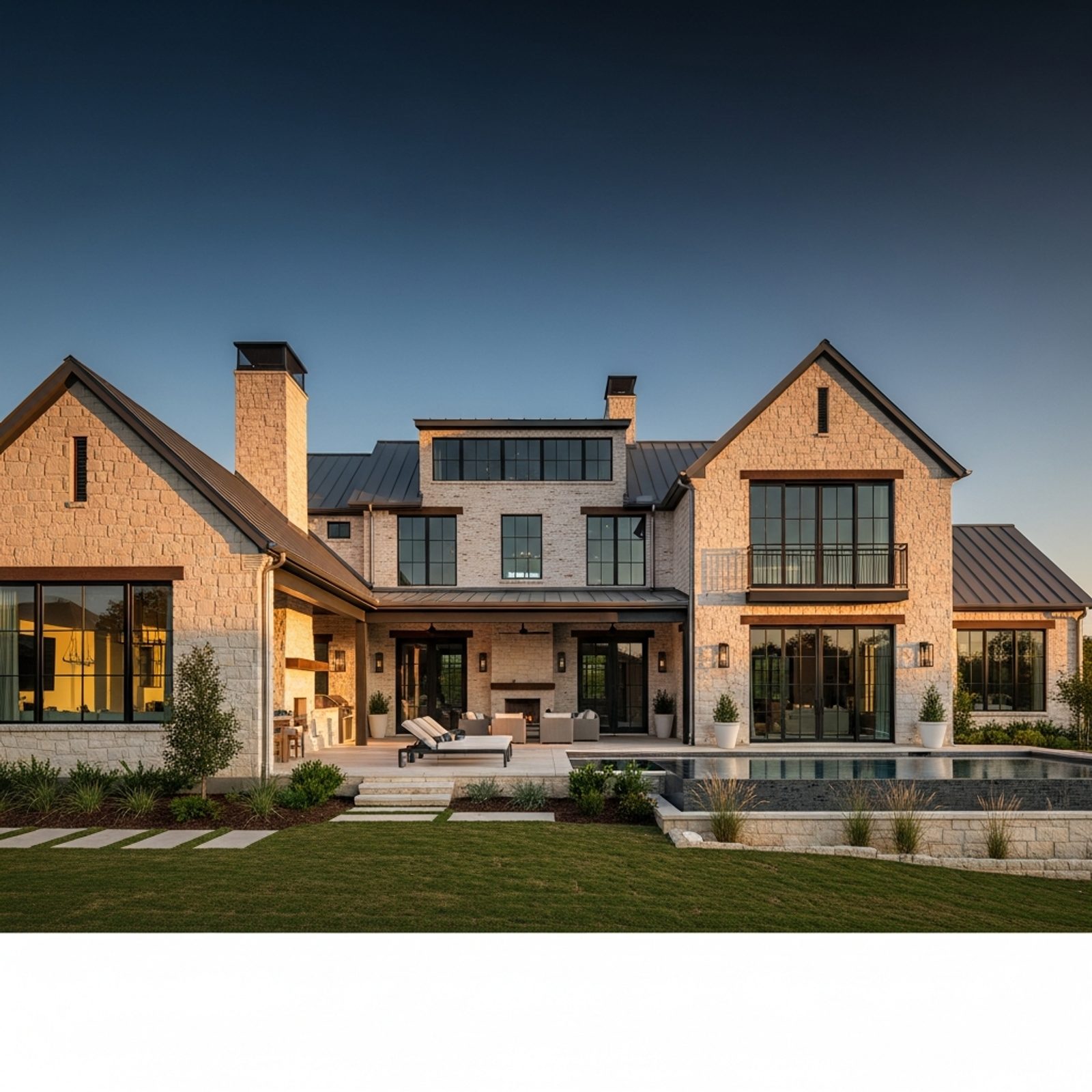
TL;DR: DFW luxury buyers in 2026 prioritize five feature categories above all else: indoor-outdoor living spaces, primary suite retreats, professional smart home integration, multi-generational flex spaces, and energy efficiency. Homes that deliver on all five sell faster and command 10 to 15 percent higher per-square-foot pricing than comparable properties that fall short. Southlake, Westlake, Prosper, and Colleyville new construction lead the market for these features.
DFW luxury buyers in 2026 are shopping differently than even two years ago. Remote work reshaped floor plans. Energy costs rewired priorities. And a wave of out-of-state relocations — from California, New York, and Chicago — brought buyers who have already lived in homes with the features they now demand in Texas. The result is a market where $1 million-plus homes are judged not just on square footage and location but on five specific categories of livability that separate properties that sell in days from those that linger for months.
Kim Assaad and The Assaad Group at Compass work exclusively in DFW’s luxury segment, and the patterns are unmistakable. These are the five home features that luxury buyers in Dallas-Fort Worth prioritize above all else heading into the second half of 2026.
1. Indoor-Outdoor Living
Texas weather delivers roughly 230 days of sunshine per year, and DFW luxury buyers expect their homes to capitalize on every one of them. Indoor-outdoor living is no longer a bonus — it is the single most requested feature category in the $1.5 million-and-above price range.
What this looks like in practice:
- Retractable glass walls (NanaWall, LaCantina, or Western Window Systems) that erase the boundary between the main living area and the outdoor living space. In new construction across Southlake and Westlake, multi-slide or bi-fold glass systems spanning 16 to 24 feet are becoming standard rather than aspirational.
- Covered outdoor kitchens equipped with built-in grills, smokers, refrigeration, sinks, and bar seating. The DFW buyer expects a fully functional second kitchen outdoors, not a standalone grill on a patio.
- Resort-style pools with infinity edges, tanning ledges, spas, and automated chemical management systems. In Prosper and Celina new construction, builders are offering pool packages as part of the base spec rather than an add-on.
- Covered patios and loggias with ceiling fans, outdoor-rated heaters, motorized screens, and integrated sound systems that extend usability into the cooler months.
Resale value impact: Homes with professionally designed outdoor living spaces in DFW sell for 10 to 15 percent more per square foot than comparable properties without them. According to the National Association of Realtors, outdoor kitchens alone can return 100 to 200 percent of their installation cost in high-demand markets.
2. Primary Suite Retreats
The primary suite has evolved from a large bedroom with an en-suite bathroom into a self-contained retreat that rivals boutique hotel design. DFW luxury buyers — particularly dual-income households and C-suite executives relocating from coastal markets — expect the primary suite to function as a private sanctuary within the home.
The non-negotiable elements include:
- Spa-quality bathrooms with freestanding soaking tubs, frameless glass steam showers, heated floors, and natural stone throughout. Calacatta or Statuario marble remains the finish of choice in the $2 million-plus segment.
- Oversized walk-in closets designed by specialty firms (California Closets, The Container Store Custom, or local custom millwork) with island dressers, full-length mirrors, dedicated accessory storage, and integrated lighting systems.
- Dual vanities with dedicated grooming stations — separate his-and-hers areas that go beyond a shared countertop to include individual lighting, mirrors, and storage.
- Private morning bars or coffee stations adjacent to the suite, eliminating the need to walk to the main kitchen first thing in the morning.
- Sound insulation and blackout window treatments that create a sleep environment free from external noise and light.
Resale value impact: A well-executed primary suite renovation in DFW typically returns 60 to 70 percent of its cost at resale, but more importantly, it prevents buyer objections that can stall a sale entirely. In competitive markets like Southlake and Westlake, an underwhelming primary suite is the number one reason luxury listings receive lowball offers.
3. Smart Home Integration
The days of smart home technology being a novelty are over. DFW luxury buyers in 2026 expect whole-home automation that is professionally installed, centrally managed, and invisible. The emphasis has shifted from gadgets to systems — buyers want infrastructure, not accessories.
What buyers expect at the $1.5 million-plus level:
- Control4 or Crestron whole-home automation that unifies lighting, climate, security, audio, window treatments, and landscape irrigation into a single interface accessible from wall panels, tablets, and smartphones.
- Automated lighting scenes throughout the home — morning, entertaining, movie night, away mode — programmed by a certified integrator and adjustable by the homeowner.
- Advanced security systems with perimeter cameras, facial recognition, smart locks, video doorbells, and integration with monitoring services. Many buyers in gated communities still want independent security layers for their individual property.
- Climate zoning with smart thermostats that learn occupancy patterns and optimize energy usage room by room. Buyers relocating from states with lower energy costs are particularly focused on this given Texas summer electricity bills.
- EV charging infrastructure — at minimum a 240V outlet in the garage, and increasingly a Level 2 ChargePoint or Tesla Wall Connector pre-installed. With EV adoption accelerating across the DFW buyer demographic, homes without charging capability are starting to face resistance.
- Pre-wired network infrastructure including Cat6A Ethernet runs to every room, centralized equipment closets, and enterprise-grade Wi-Fi mesh systems (Ubiquiti, Ruckus, or Cisco Meraki).
Resale value impact: Homes with professional-grade smart home systems in DFW command a 3 to 5 percent premium over comparable properties with basic or no automation. The key distinction is professional installation — DIY smart home setups can actually detract from perceived value if they appear cobbled together.
4. Multi-Generational and Flex Spaces
The post-COVID reshaping of how families use their homes is permanent. DFW luxury buyers are not reverting to pre-2020 floor plans. They want homes that accommodate multiple functions simultaneously — and they want dedicated spaces for each function, not convertible rooms that do nothing well.
The spaces buyers are prioritizing:
- Dedicated home offices with built-in desks, bookshelves, sound insulation, and professional-grade lighting for video calls. In homes above $2 million, buyers increasingly expect two home offices — one for each partner.
- Casitas or mother-in-law suites — detached or semi-detached guest quarters with their own bedroom, bathroom, kitchenette, and separate entrance. Multi-generational living is surging in DFW, driven by aging parents, adult children returning from college, and extended family relocating together from out of state.
- Home gyms with rubber flooring, mirrored walls, proper ventilation, and enough ceiling height for overhead lifts. Post-COVID, the home gym has moved from a nice-to-have to a dealbreaker for many buyers in the luxury segment.
- Media rooms and home theaters with acoustic treatment, tiered seating, 4K or 8K projection, and Dolby Atmos surround sound. These rooms also serve as gaming spaces, sports-watching rooms, and family movie venues.
- Hobby and maker spaces — wine rooms, craft rooms, art studios, or workshops that give family members dedicated space for personal interests without encroaching on shared living areas.
Resale value impact: A well-designed casita or ADU can add 15 to 25 percent to a property’s appraised value in DFW. Home offices show a direct return of 50 to 75 percent of renovation cost, but their primary value is in marketability — listings that mention “dedicated home office” generate 40 percent more online engagement than those that do not.
5. Energy Efficiency and Sustainability
Texas energy costs are a genuine concern for luxury homeowners. Summer electricity bills in a 5,000-plus square foot home can easily exceed $800 to $1,200 per month without proper efficiency measures. DFW luxury buyers in 2026 are not motivated by ideology alone — they are motivated by the math.
The efficiency features buyers demand:
- Spray foam insulation (closed-cell) in the attic, walls, and crawl spaces. In new construction across Prosper, Westlake, and Colleyville, spray foam is replacing traditional fiberglass batt insulation as the builder standard for homes above $1 million.
- Solar-ready roofing with conduit pre-run from the attic to the electrical panel. Even buyers who do not plan to install panels immediately want the infrastructure in place. In Southlake and Frisco, solar adoption among luxury homeowners has increased 35 percent year over year.
- Tankless water heaters (Rinnai, Navien, or Noritz) that eliminate standby energy loss and provide unlimited hot water on demand. In larger homes with multiple primary suites, buyers expect two or more units.
- Triple-pane or high-performance dual-pane windows (Andersen, Pella 450 series, or Marvin Ultimate) with low-E coatings that reduce solar heat gain without sacrificing natural light. In a Texas summer, window performance has a measurable impact on HVAC load and monthly costs.
- ENERGY STAR appliances throughout, including refrigerators, dishwashers, washers, dryers, and HVAC systems. Buyers now check SEER ratings on HVAC units the way they check engine specs on a luxury vehicle.
- Smart irrigation systems (Rachio, Hunter Hydrawise) with weather-based scheduling and zone control. DFW’s periodic drought restrictions make water-efficient landscaping both a practical and a regulatory concern.
Resale value impact: Energy-efficient upgrades collectively return 70 to 80 percent of their cost at resale in DFW, but their real value is in reduced days on market. Homes marketed with documented energy efficiency features sell 20 percent faster than comparable properties in the same neighborhood.
Where to Find These Features in DFW
Not every DFW neighborhood delivers all five feature categories equally. Here is where to focus your search based on what matters most:
| Feature Priority | Best DFW Neighborhoods |
|---|---|
| Indoor-outdoor living | Southlake, Westlake (Vaquero), Prosper new construction |
| Primary suite retreats | Westlake, Preston Hollow, Colleyville custom builds |
| Smart home integration | Prosper, Celina, Frisco new construction (pre-wired) |
| Multi-generational / flex | Southlake (larger lots), Prosper (new builds with casitas) |
| Energy efficiency | Prosper, Celina, Light Farms — new construction leads here |
For buyers targeting resale in established neighborhoods, retrofitting these features is absolutely viable, and The Assaad Group can connect you with vetted architects, builders, and integrators who specialize in luxury renovations across DFW.
Frequently Asked Questions
What is the most important feature for DFW luxury home resale value?
Indoor-outdoor living delivers the highest return on investment in the DFW luxury market, with professionally designed outdoor spaces adding 10 to 15 percent to per-square-foot pricing. Texas climate makes this feature usable roughly nine months of the year, and buyer demand continues to increase.
How much does a whole-home smart system cost to install?
A professionally installed Control4 or Crestron system for a 4,000 to 6,000 square foot home typically costs $50,000 to $150,000 depending on the level of automation. Pre-wiring during new construction reduces this cost by 30 to 40 percent compared to retrofitting.
Are casitas legal in DFW luxury neighborhoods?
Zoning varies by municipality and HOA. In Southlake, Prosper, and some sections of Westlake, detached guest structures are permitted on larger lots with proper permitting. Kim Assaad can advise on specific community regulations before you commit to a property.
Is solar worth it in North Texas?
DFW receives roughly 230 sunny days per year, making it one of the better markets in the country for residential solar. A properly sized system on a luxury home can offset 60 to 80 percent of annual electricity costs, with payback periods of 7 to 10 years. The investment also increases buyer appeal at resale.
What SEER rating should I look for in a DFW luxury home?
For new construction or HVAC replacement in 2026, look for a minimum SEER2 rating of 16 or higher. Premium systems from Carrier, Trane, and Lennox in the 20-plus SEER2 range are increasingly common in homes above $1.5 million and can reduce cooling costs by 30 to 40 percent compared to older units.
Do luxury buyers really care about EV charging?
Yes. EV ownership among DFW luxury homebuyers has more than doubled since 2024. A pre-installed Level 2 charger costs $1,500 to $3,000 but eliminates a friction point that can cause hesitation during a showing. At minimum, a dedicated 240V circuit in the garage is expected.
How much does a resort-style pool cost in DFW?
Custom pools with infinity edges, spas, and full automation in DFW typically range from $150,000 to $400,000 depending on size and materials. The investment is substantial, but in the luxury segment, a pool is expected — homes without one in the $2 million-plus range face a significant competitive disadvantage.
What is the biggest mistake luxury sellers make with home features?
Over-personalizing spaces in ways that limit buyer appeal. A home theater themed around a specific sports team, an outdoor kitchen designed only for one type of cooking, or a smart home system that requires proprietary expertise to operate — these narrow the buyer pool. The best features are high-quality but flexible.
Kim Assaad’s Perspective
The luxury market in DFW has matured significantly. Buyers are more educated, more specific, and more willing to wait for the right home than at any point in my career. The five features outlined above are not trends — they are the new baseline for what luxury means in Dallas-Fort Worth. If you are selling, investing in these areas before listing will directly impact your final sale price. If you are buying, knowing what to prioritize will save you from settling for a property that does not meet the standard you deserve.
Ready to find your next DFW luxury home? Contact Kim Assaad directly at 817-368-2111 or visit theassaadgroup.com to schedule a private consultation. Whether you are buying, selling, or exploring your options, The Assaad Group at Compass delivers the market expertise and white-glove service that DFW’s most discerning clients expect.
Ready to Make Your Move?
Whether you're buying, selling, or investing in DFW real estate — Kim Assaad and The Assaad Group are here to help.
The Assaad Group at Compass | Southlake, TX